
October 15, 2026
Why Process Art Matters More Than the Finished Product
When children bring home an art project, it’s natural for families to admire the finished product. But in early childhood education, the real value of art often happens long before the paint dries. That’s where process art comes in.
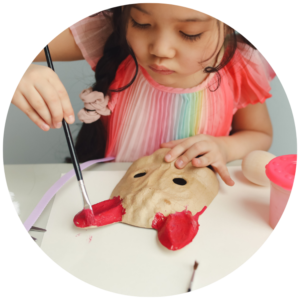
Process art focuses on the creative experience rather than creating a specific end result. Instead of following step-by-step instructions to make identical crafts, children are encouraged to explore materials, make their own choices, and express their ideas freely.
What Is Process Art?
Process art is an open-ended approach to creativity that allows children to experiment with materials such as paint, clay, markers, collage items, and natural objects. There is no “right” or “wrong” way to create.
For example, instead of every child making the same paper flower, children might be given a variety of materials and invited to create something entirely their own. The focus is on exploration, discovery, and self-expression.
How Process Art Supports Child Development
While process art may look simple, it helps children develop a wide range of important skills.
Encourages Creativity
When children have the freedom to make decisions, they learn to think creatively and develop original ideas. They are not limited by instructions or expectations about what their artwork should look like.
Builds Problem-Solving Skills
Children naturally encounter challenges during the creative process. They might experiment with different materials, test new techniques, or adjust their plans as they work. These experiences help strengthen critical thinking and problem-solving abilities.
Develops Fine Motor Skills
Painting, drawing, cutting, gluing, molding, and manipulating materials help children strengthen the small muscles in their hands and fingers. These skills support future tasks such as writing, buttoning clothing, and using classroom tools.
Promotes Confidence and Self-Expression
Because there is no single “correct” outcome, children gain confidence in their ideas and abilities. Process art encourages them to express their thoughts, emotions, and unique perspectives without fear of making mistakes.
Looking Beyond the Finished Artwork
When discussing your child’s artwork, consider asking questions such as:
- What did you enjoy creating?
- How did you choose your colors?
- What materials did you use?
- What was your favorite part of the process?
These conversations help children reflect on their experiences and reinforce the value of creativity and exploration.
How Catalyst Kids Supports Creative Learning
At Catalyst Kids, we believe children learn best through hands-on experiences that encourage curiosity and self-discovery. Our research-based, child-centered approach provides opportunities for children to explore art materials, experiment with new ideas, and express themselves creatively. By focusing on the learning process rather than the final product, we help children build confidence, develop important skills, and discover the joy of creating.